THE FERMENTATION PROJECT
Livestream: October 3rd 2026
Why Fermentation?
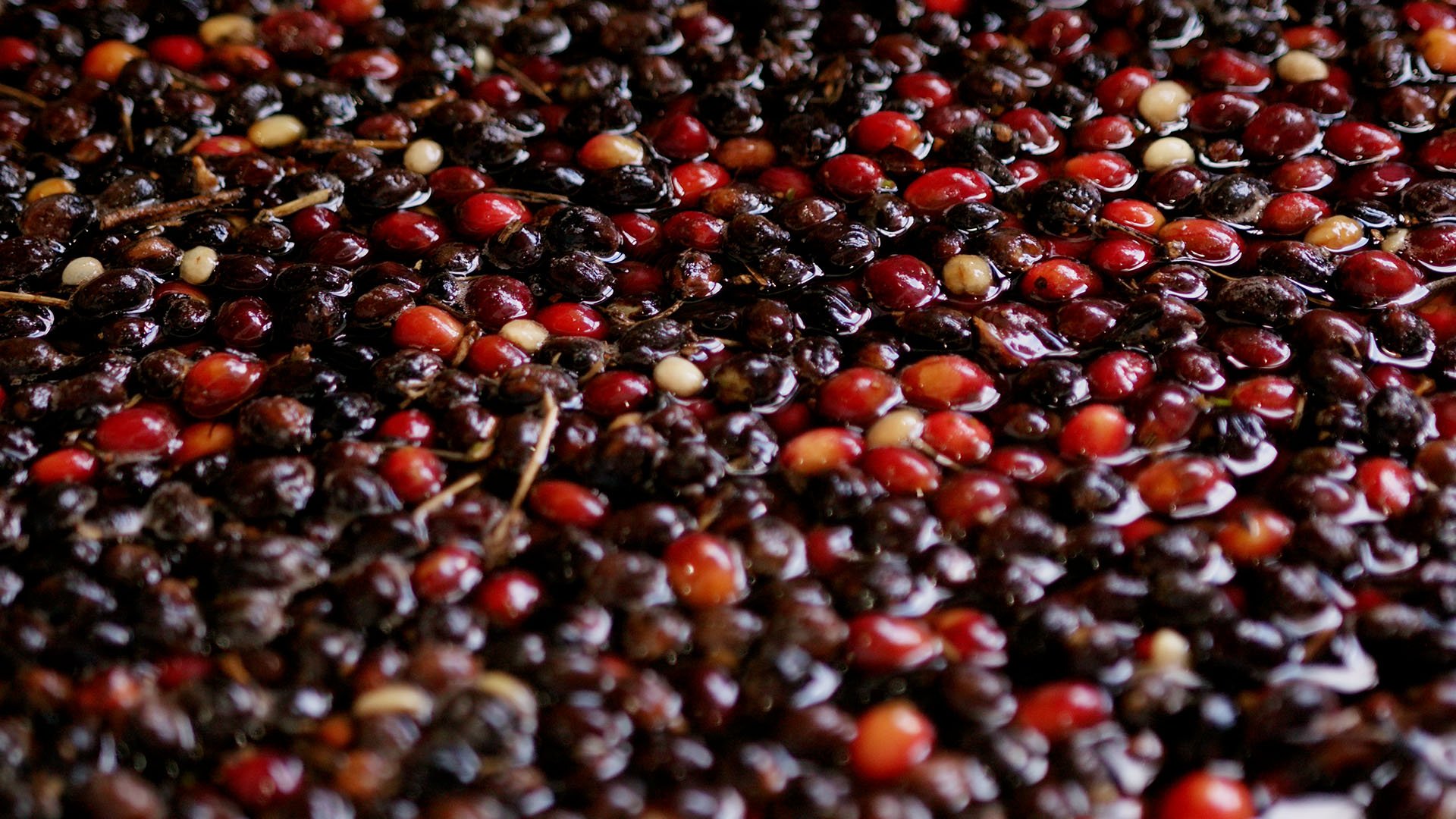
At its core, fermentation is primarily a functional step within the washed coffee process, helping producers process larger volumes of coffee more effectively while reducing challenges during drying. However, fermentation is also a critical moment of flavour development, offering an opportunity to experiment and better understand the impact different approaches can have on the final cup profile.
The Project:
Using the same starting material, we created four different versions of the coffee to illustrate the effect of fermentation and processing on the same coffee. From a sensory perspective, our goal was to select a coffee that clearly showcases the nuance of fermentation while remaining clean, sweet, and approachable and we believe these lots achieve that balance very well. When people taste “fermented” coffees, they rarely get to taste the un-fermented version for comparison! The sets of four coffees were made available as raw green coffee to roasters around the world to purchase and roast ahead of a communal live tasting event. The live tasting is set for Saturday October 3rd and will be done as a livestream on James Hoffmann’s YouTube channel. Here are details on the four coffees:
1. Mechanically Demucilaged (No Fermentation)
Processed without fermentation to serve as the control. The profile of this coffee comes from growing practices and genetic varietal characteristics.
2. Wild Fermentation
Fermented for 48 hours with local wild microbes. This is the traditional method most coffees experience, where the mucilage is removed by the local microbe population.
3. Lactobacillus Inoculated Fermentation
Fermented for 48 hours, this fermentation enhances the production of organic acids, impacting the brightness and complexity of the coffee.
4. Saccharomyces Yeast Inoculated Fermentation
Fermented for 48 hours, this fermentation enhances the production of flavor precursors, impacting the body and complexity of the coffee.
The farm is Finca San Miguel Urias, owned by Hector and Lilian Leal, operated under Rueda Farms, Antigua Valley (genuine Antigua), between Ciudad Vieja and San Miguel Dueñas, and the variety is ~85% Caturra, ~15% H1 and some Bourbon. All of these lots were processed by Lucia Solis, who worked closely with the farm team to ensure the coffee was pulped, fermented, washed, and dried according to specification.
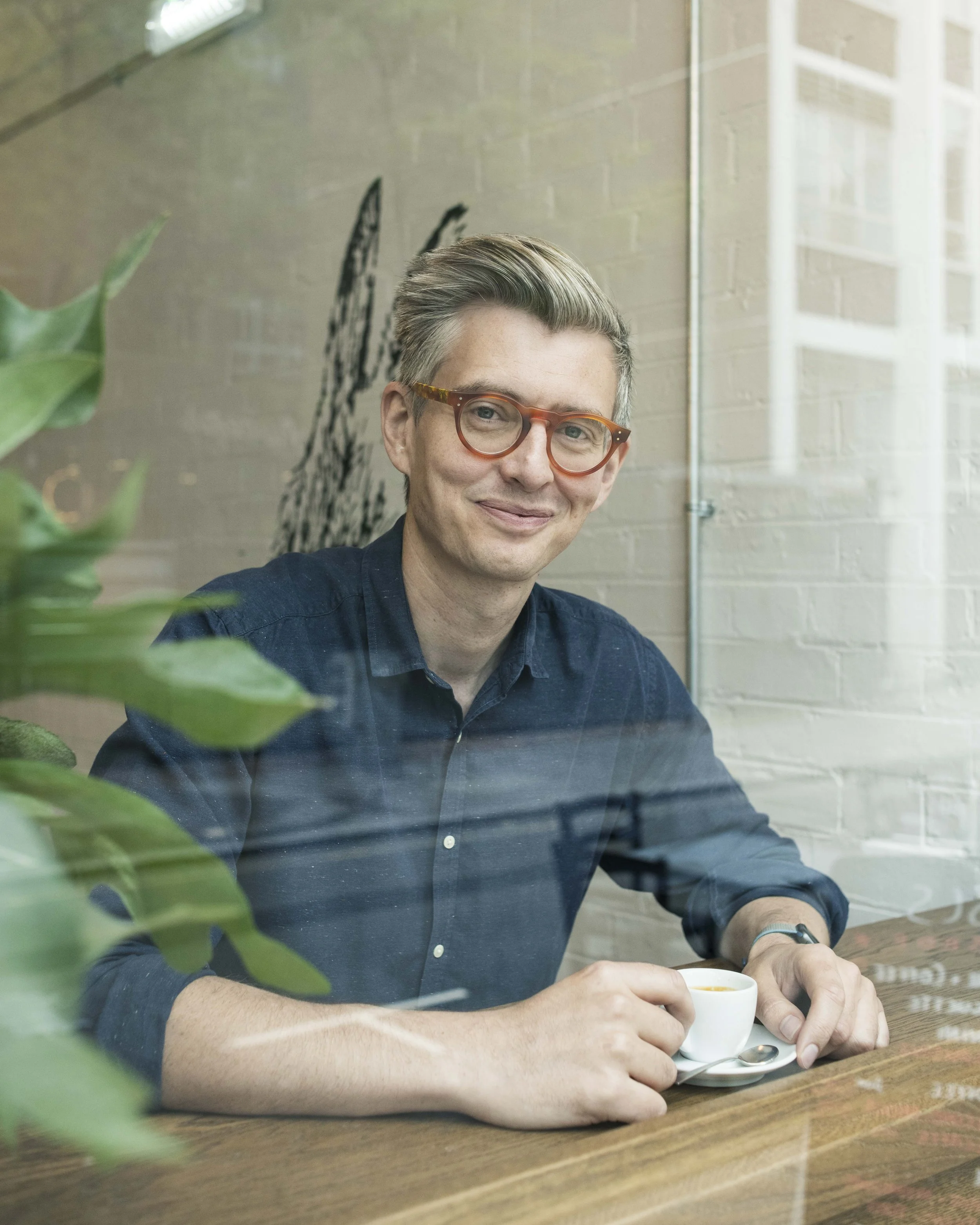
James Hoffmann is an award-winning coffee professional, author, and communicator known for his influential work in specialty coffee. He won the World Barista Championship in 2007 and has since become one of the industry’s most respected voices through his educational YouTube channel, books, and global projects. James is recognized for making complex coffee topics accessible, combining deep technical knowledge with clarity, curiosity, and thoughtful exploration of flavor, process, and brewing.
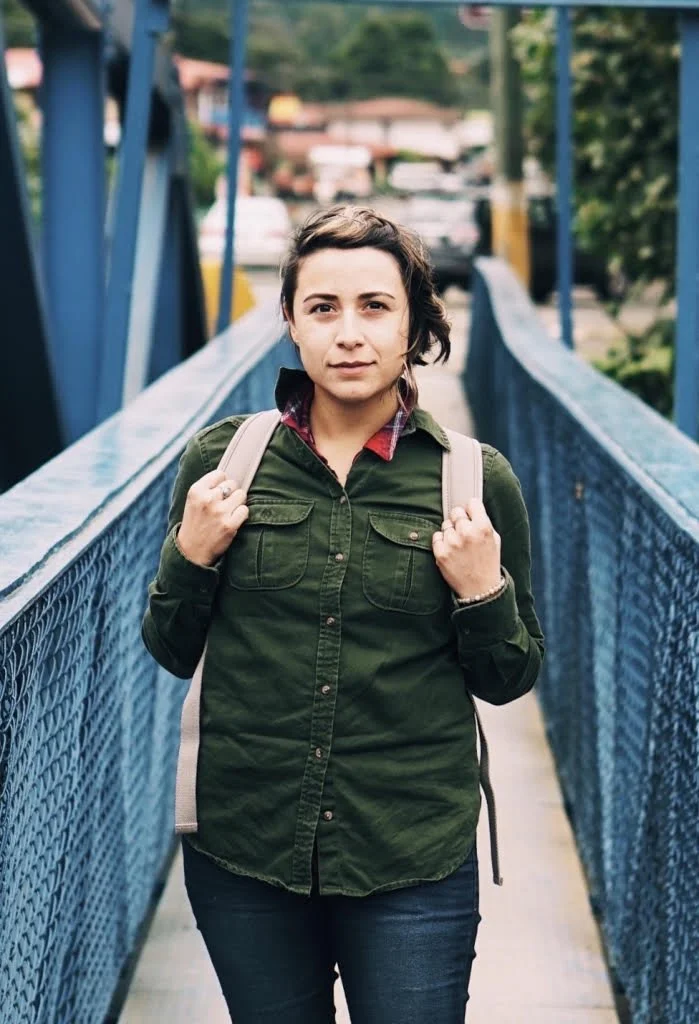
Lucia Solis, Fermentation Consultant
Lucia studied Viticulture and Enology at the University of California, Davis, specializing in microbiology and fermentation science. She spent nine years working in wine production in Napa Valley before transitioning her focus to coffee in 2014. Today, she is a coffee fermentation and processing specialist with over 12 years of international experience, having worked alongside producers in more than 15 countries.
Lucia supports coffee producers in rethinking processing as a strategic opportunity to add value and reduce risk at the wet mill. Her work centers on simplifying and streamlining protocols from fermentation through drying, creating greater clarity and operational control. By applying microbiological principles, she helps producers develop reproducible cup profiles while bringing stability to one of the most variable stages of coffee production. Her approach emphasizes scientific rigor combined with practical simplicity — ensuring that innovation remains accessible and scalable.